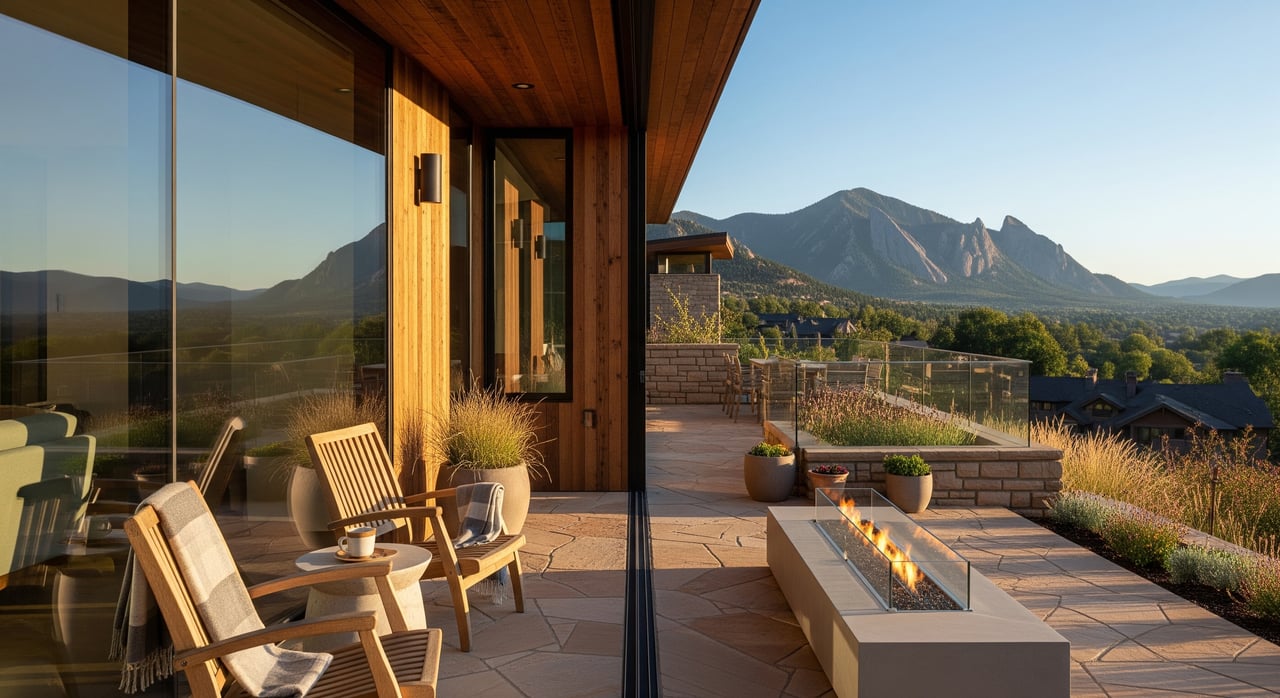
Is South Boulder the spot where your weekdays feel simpler and your weekends feel bigger? If you want foothills at your doorstep, a calmer residential pace, and easy access to daily essentials, this corner of Boulder could be a fit. You’ll find trailheads, parks, neighborhood shopping, and a steady rhythm that rewards an active lifestyle without sacrificing convenience. In this guide, you’ll see what everyday life looks like, where you’ll spend your time, how you’ll get around, and what to consider before you move. Let’s dive in.
Where South Boulder fits
“South Boulder” is a commonly used, informal term for residential areas south of downtown and close to the foothills. Exact boundaries vary by map and conversation, so think of it as a collection of neighborhoods near the Table Mesa corridor, South Boulder Creek, and foothills access points. For official maps and parcel details, the City of Boulder is the best starting point.
The vibe is residential and outdoors‑forward. Many households choose this area for quick trail access, mature streetscapes, and less bustle than downtown. Boulder overall skews younger and highly educated, with strong professional and technical employment, according to U.S. Census QuickFacts for the city of Boulder.
Everyday life snapshot
Mornings on the trail
You can step into the foothills in minutes. Popular access points and trail networks are managed by City of Boulder Open Space & Mountain Parks. You’ll see hikers and runners on neighborhood connectors and classic routes near Chautauqua and Flagstaff. On the south side, the NCAR area offers rolling terrain and sweeping views; the campus itself anchors the trail system described by NCAR/UCAR.
Trail use and rules vary. Some paths are foot‑only, others are multi‑use, and parking can be seasonal. Before you head out, check current maps and notices from OSMP or nearby Boulder County Open Space.
Midday errands and coffee
Daily errands are simple. You’ll rely on neighborhood shopping centers for groceries, a quick lunch, and a latte on the way to school pickup or your next Zoom call. For destination dining, galleries, and specialty retail, many residents head to downtown’s walkable core. If you are scouting ideas for what’s current around town, browse event and dining inspiration on Visit Boulder.
Evenings and weekends
Evenings often mean a neighborhood walk, a bike ride at golden hour, or a casual dinner close to home. Weekends bring longer hikes, kids’ sports in local parks, and seasonal events. The beloved Boulder Farmers Market is a go‑to for produce and prepared foods, and you can keep tabs on other happenings across the city through Visit Boulder.
Outdoor access highlights
South Boulder is one of the city’s gateways to the Flatirons.
- Chautauqua area trailheads. Iconic views, family‑friendly options, and steeper routes start from the Chautauqua vicinity. Check City of Boulder Open Space & Mountain Parks for maps, closures, and parking updates.
- NCAR and South Mesa. The NCAR Trail network connects to Mesa Trail and rolling meadows, with access points described by NCAR/UCAR. South Mesa and adjacent areas include county‑managed land, so review Boulder County Open Space for specifics.
- South Boulder Creek corridor. Greenways and neighborhood parks provide softer paths for strollers, dog walks, and easy spins. Seasonal conditions apply, especially in winter and spring. Always confirm current guidance before heading out.
Tip: Permitted uses change by trail. Dogs, bikes, and seasonal wildlife closures are clearly posted on agency maps. If you plan to park near popular trailheads on weekends or holidays, arrive early or consider bus and bike connections.
Schools and community services
South Boulder is served by the Boulder Valley School District. Exact school assignments vary by address, so you’ll want to use BVSD’s boundary and school lookup tools on the BVSD site. If you are exploring choice or transfer options, contact the district directly for the latest enrollment policies.
Healthcare, libraries, and civic programs are accessible citywide. The Boulder Public Library system and community centers offer classes, story times, and events, and you’ll find primary care clinics and pharmacies in and near neighborhood shopping areas. For city services and updates, start with the City of Boulder’s main website.
Housing and architectural character
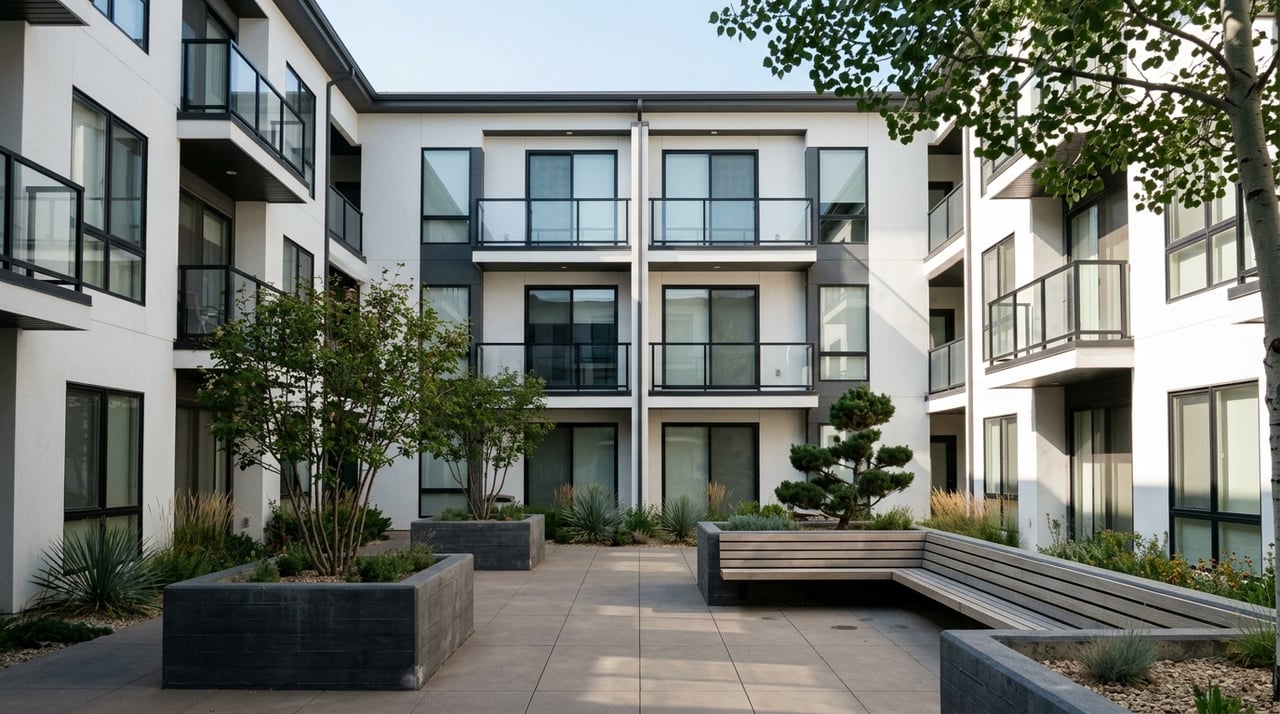
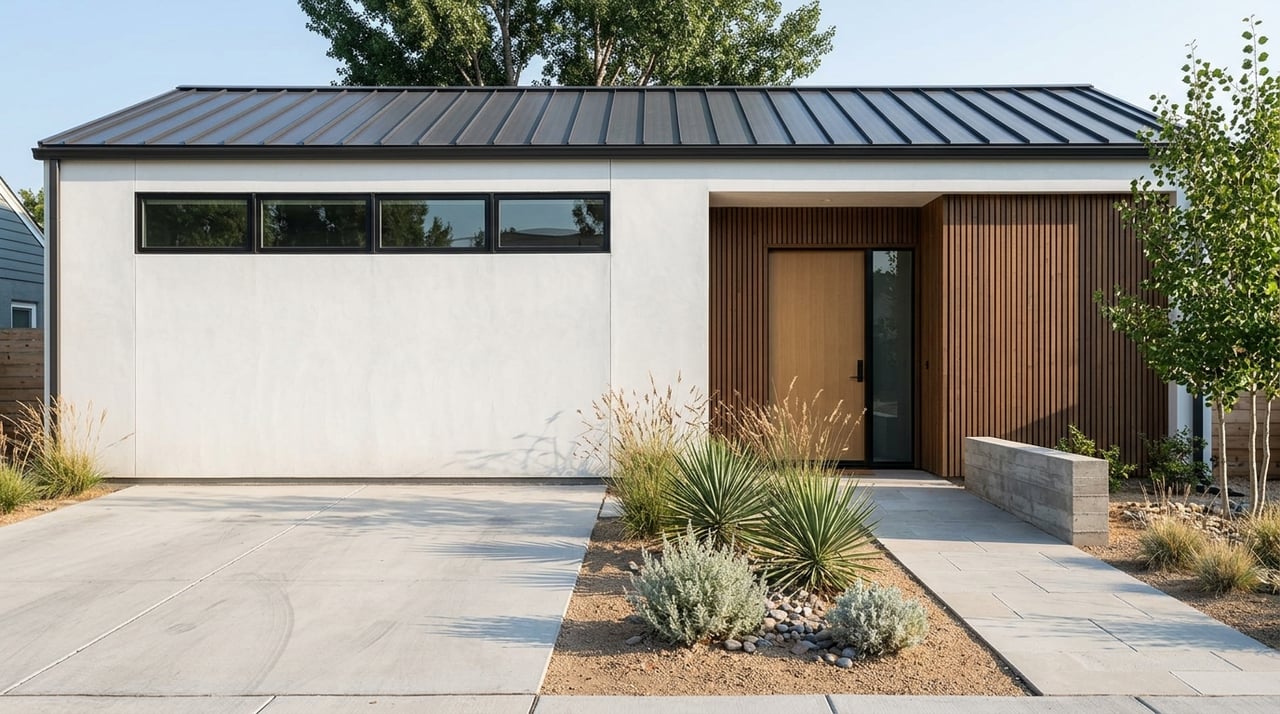
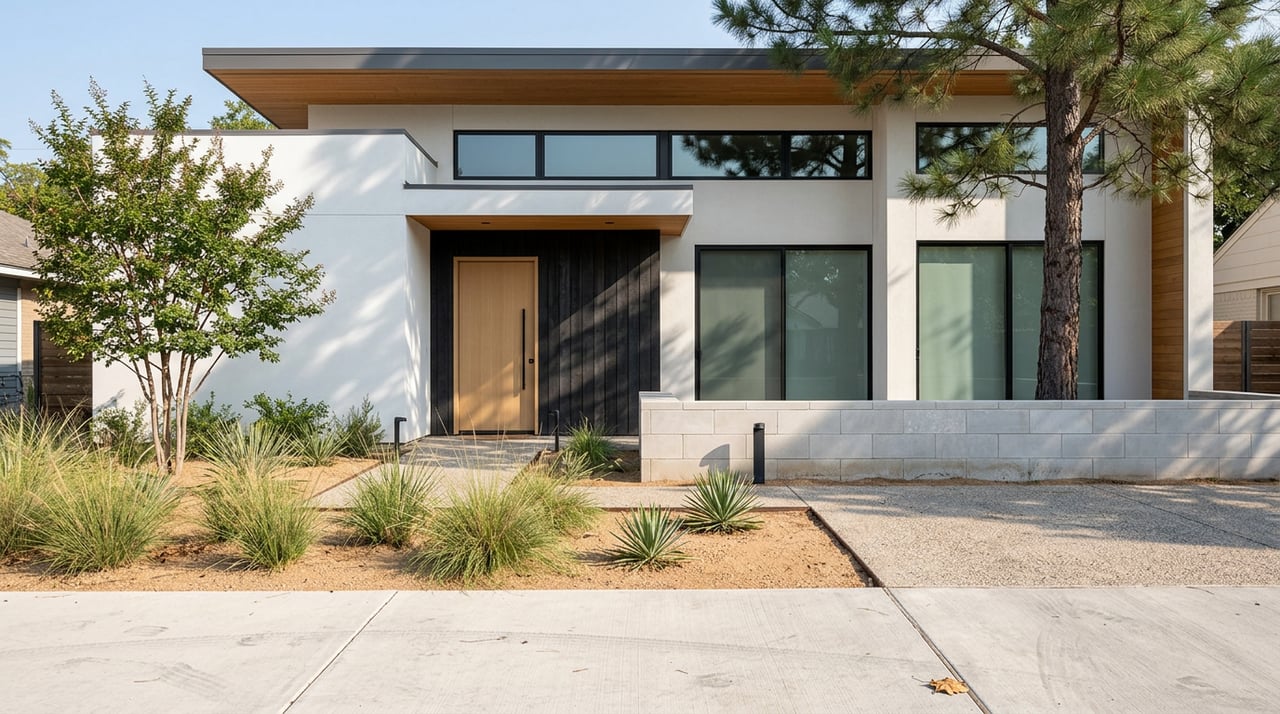
Homes in South Boulder reflect Boulder’s mid‑century roots. You’ll see ranches, split‑levels, and cottages on established streets, along with townhome and condo communities and occasional newer infill. Lots near the foothills can be larger, and many streets have mature trees that create a settled feel.
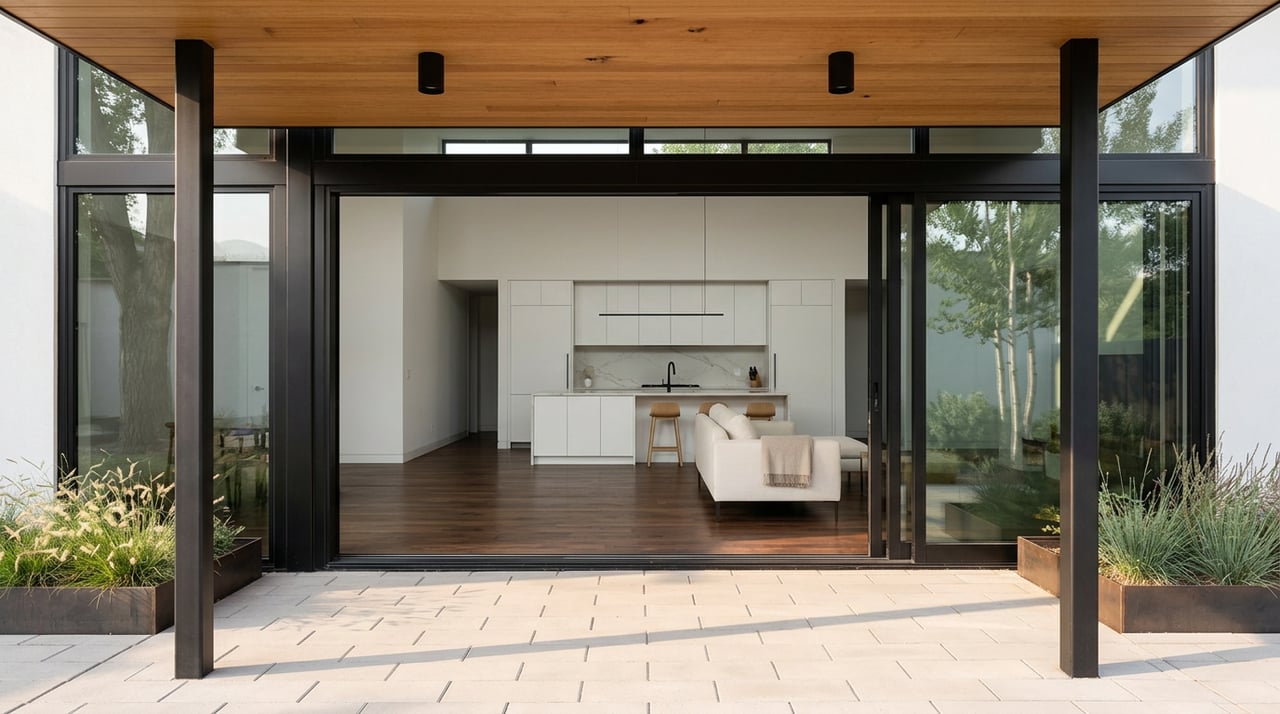
Boulder is one of Colorado’s higher‑cost markets. In South Boulder, proximity to trails, lot size, views, and HOA factors can influence pricing and competitiveness. Renovations are common, and well‑presented homes often draw strong interest. If you value a gear room, mudroom, or easy flow to a backyard for everyday outdoor living, keep those features front and center in your search.
Getting around
Most residents mix driving with biking, walking, and bus service. Boulder’s bike infrastructure is extensive, with on‑street lanes and multi‑use paths that connect neighborhoods to employment centers and CU. Commute patterns vary, but the city sees higher bike and walk shares than the national average per U.S. Census QuickFacts.
For regional connections, the Regional Transportation District operates bus routes throughout Boulder and to the Denver metro. If you are commuting to Denver, you can drive US‑36 or use RTD’s regional services from major transit hubs. Check route maps and schedules before you plan a specific trip.
Parking is typical of older residential areas. Many homes have driveways and one‑car garages. Near popular trailheads, weekend parking is tight, and neighborhood spillover can happen on busy days. If a property sits close to a trail access point, it is smart to understand local parking rules and seasonal patterns through City of Boulder Open Space & Mountain Parks.
Practical pros and tradeoffs
- Quiet vs lively. Many blocks feel calm and residential, especially away from main roads. Areas near shopping centers and trailheads can be busier on evenings and weekends.
- Walkability varies. Some homes are close to daily needs and transit stops. Others require a short bike ride or drive for groceries or coffee. Your exact address matters.
- Weather and seasons. Winters bring snow and plenty of sun. Trails can hold ice in shaded or higher sections into spring, and summer afternoons can see thunderstorms. Always check conditions before longer hikes.
- Safety and awareness. For current public safety resources and crime data tools, use the City’s page for Boulder Police and public safety services. Reviewing data by block or zip gives the best context.
Buyer checklist for South Boulder
- Trail access. Confirm the closest trailheads, permitted uses, and typical parking patterns on City of Boulder Open Space & Mountain Parks or Boulder County Open Space.
- Schools. Use the BVSD boundary lookup to verify assignments and learn about choice or transfer options.
- Lot and location. If a home is near South Boulder Creek or a drainage corridor, ask about floodplain overlays, setbacks, and insurance. The City parcel viewer and county property search are helpful tools.
- HOA and use rules. Review HOA documents for parking, exterior changes, short‑term rental rules, and shared space maintenance.
- Mobility. Test drive your commute at your usual time and map bike or bus options through the Regional Transportation District.
Seller tips to stand out
- Lead with lifestyle. Highlight trail proximity, sunny outdoor spaces, and flexible areas for gear, a home office, or fitness.
- Dial in presentation. Simple staging, clean lines, and good natural light photography can elevate mid‑century plans.
- Clarify the details. Provide recent roof, mechanical, and energy‑efficiency updates, HOA information, and any floodplain documentation up front to reduce buyer friction.
- Orient buyers. Include a neighborhood map that marks parks, paths, bus stops, and shopping nodes to showcase how easy daily life can be.
Is South Boulder right for you?
If you want foothills access, a calmer daily pace, and the essentials close by, South Boulder delivers. Your exact fit will depend on the block, the trailheads you love, and how you plan to commute. With clear goals, you can narrow to homes and streets that match your routine.
If you want a tailored plan and on‑the‑ground insight, schedule a one‑on‑one neighborhood consult with Manzanita Fine. You’ll get a clear process, design‑minded guidance, and local context that helps you feel confident at every step.
FAQs
What does “South Boulder” include in Boulder, CO?
- South Boulder is an informal term for residential areas south of downtown near the foothills; for official maps and parcels, start with City of Boulder resources.
How close are trails to most South Boulder homes?
- Many homes sit within minutes of trailheads managed by City of Boulder Open Space & Mountain Parks and the NCAR area described by NCAR/UCAR, but access varies by address.
Which schools serve South Boulder neighborhoods?
- School assignments vary by address; confirm attendance areas and enrollment details using the BVSD boundary and school lookup tools.
How do you commute from South Boulder to Denver?
- Many residents drive US‑36 or use regional buses operated by the Regional Transportation District; check current routes and schedules for the best option.
Where can I check safety and crime data for South Boulder?
- Use the City’s Boulder Police and public safety pages for current resources, tools, and neighborhood‑level data.
Are there floodplain considerations near South Boulder Creek?
- Yes, certain areas can have floodplain overlays and setback rules; review the City parcel viewer and county property search and consult local authorities for specifics.