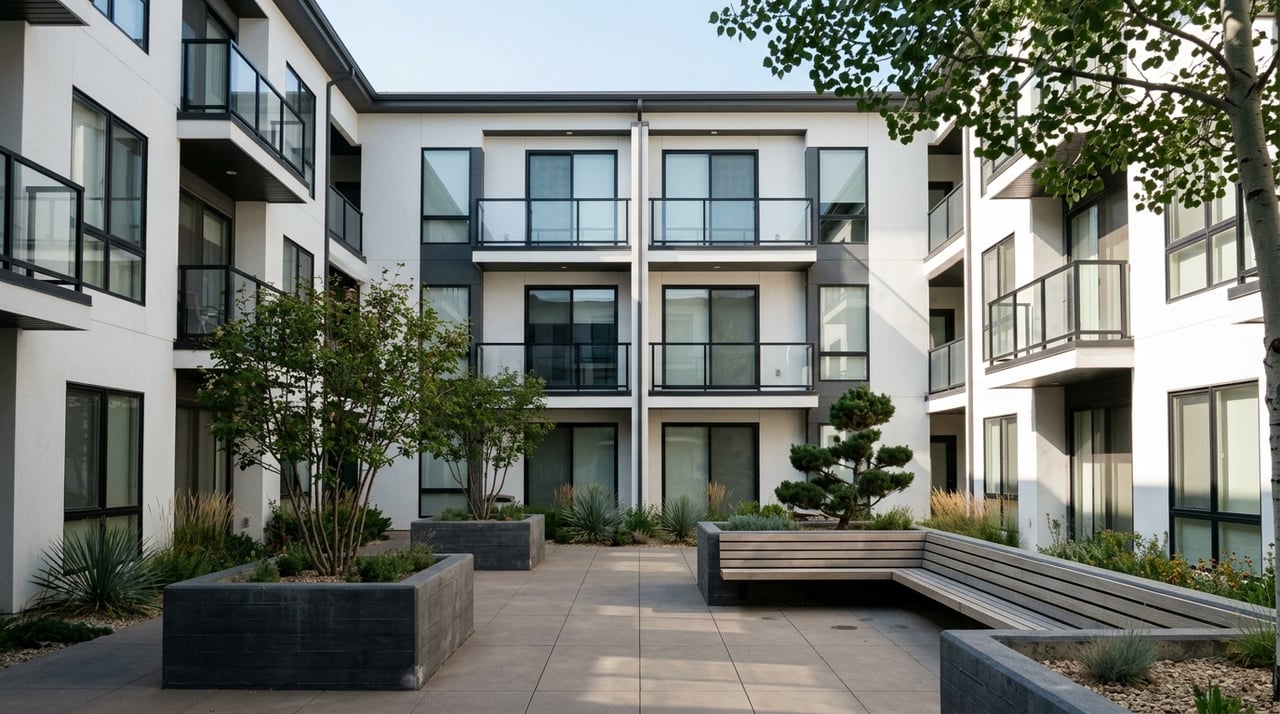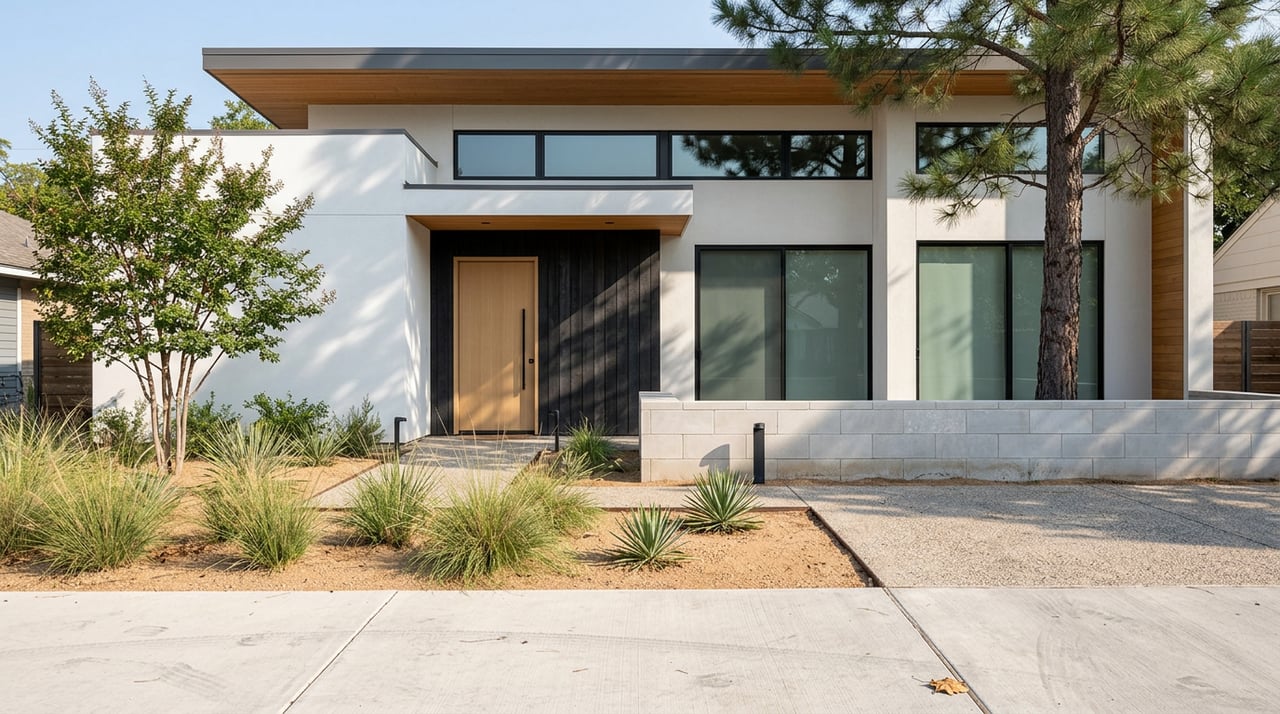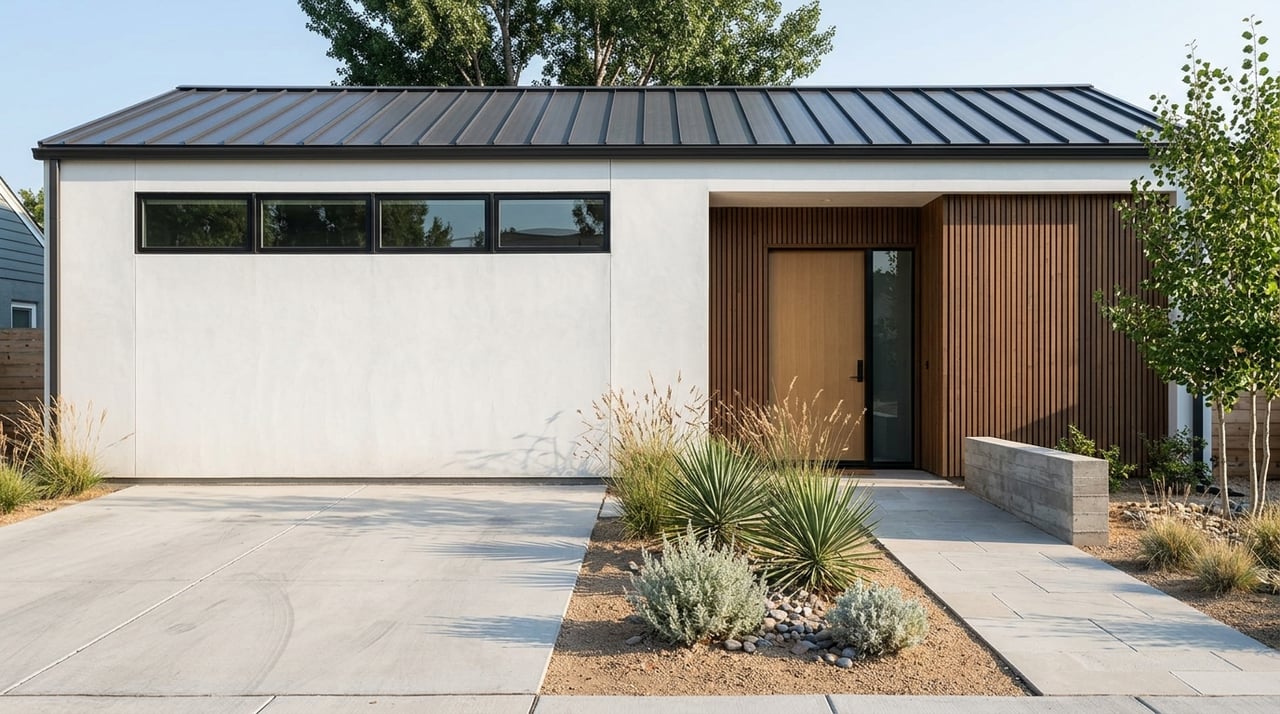
Selling a home in Boulder County can feel simple on the surface until you realize the county is not one market, one timeline, or one checklist. A condo in Longmont, a single-family home in Lafayette, and a foothills property near Lyons can each come with very different pricing, prep work, and closing steps. This guide walks you through what to expect so you can plan ahead, avoid common delays, and move through the sale with more clarity. Let’s dive in.
Start With Boulder County Reality
Boulder County works more like a group of micro-markets than one uniform market. Recent public data shows a countywide median sale price of $685,000 and median 85 days on market, while Boulder was at $807,000 and 43 days on market, according to Redfin’s Boulder County housing market data. Nearby communities also vary, with public snapshots showing Longmont at $599,000 and 36 days on market, Lafayette at $639,999 and 79 days, Louisville at $949,000 and 103 days, and Lyons at $996,500 and 121 days.
That matters because your pricing and marketing plan should reflect your specific area, not a countywide average. A strategy that makes sense in central Boulder may not fit a mountain, foothills, or outlying community.
Step 1: Price Your Home From Current Market Data
Your first step is setting a price based on recent comparable sales, current competition, and buyer activity in your immediate area. This is where local micro-market knowledge matters most.
It is also important not to confuse tax value with market value. Boulder County’s Assessor revalues real property every odd-numbered year using a 24-month base period and a June 30 appraisal date, so assessor values are useful for taxes but should not be treated as a substitute for current market comps when you decide on a list price.
A strong pricing strategy should answer a few practical questions:
- What have similar homes nearby sold for recently?
- What is currently active and competing with your home?
- How quickly are similar homes going under contract?
- Are buyers in your area responding to updated homes, design presentation, acreage, views, or other specific features?
Step 2: Build a Pre-Listing Timeline
Most sellers should start prep work about two weeks to a month before going live. That window gives you time to organize the home, handle light repairs, schedule photos, and gather any property documents that could affect the sale.
According to recent Realtor.com guidance citing NAR data, photos are especially important to sellers, and staging or presentation work can help reduce time on market. NAR also reported that many agents focus on decluttering, addressing property faults, cleaning, painting, and landscaping, with a median staging spend of $1,500.
Focus on Presentation First
Your home does not need to look generic, but it should feel clean, calm, and easy for buyers to understand. In many Boulder County price points, visual presentation plays a major role in whether buyers decide to tour the property.
A typical pre-listing presentation plan may include:
- Decluttering and removing excess furniture
- Deep cleaning
- Touch-up paint
- Light repairs
- Basic landscaping or yard cleanup
- Staging key rooms such as the living room, primary bedroom, and dining room
- Professional photography
Step 3: Review Brokerage and Listing Paperwork Early
Before you get deep into pricing strategy or share private details, make sure you understand the brokerage relationship and listing agreement. In Colorado, brokerage disclosure to a consumer must be in writing and delivered at the earliest reasonable opportunity before confidential information is discussed.
Colorado also requires amounts payable to brokers in a real estate transaction to be disclosed in writing and accounted for. For you, that means it is worth slowing down long enough to understand the relationship, the services being offered, and how the compensation structure works before the home hits the market.
Step 4: Complete Seller Disclosures Carefully
Colorado sellers should expect disclosure paperwork early in the process. The current Colorado Seller’s Property Disclosure form is completed by the seller, not the broker, and it is based on your current actual knowledge.
This form is the place to disclose known defects, past repairs, permits, water intrusion, mechanical issues, and other adverse material facts that could matter to a buyer. If something changes after you complete it, the form states that changes should be disclosed promptly after discovery.
Pay Special Attention to Radon
Radon is not a minor side note in Colorado. DORA’s radon practice advisory says sellers must provide known radon test results, the most recent records or reports, any mitigation or remediation performed, whether a mitigation system has been installed, and the CDPHE brochure for residential real estate transactions.
Because CDPHE says about half of Colorado homes exceed the EPA action level of 4.0 pCi/L, radon testing and documentation are realistic parts of Boulder County listing prep. If you have past reports or mitigation records, gather them before your home goes active.
Step 5: Prepare for Property-Specific Requirements
Some Boulder County homes need extra documentation or extra lead time. If your property falls into one of these categories, plan ahead.
Condos and Townhomes
If your home is in a common-interest community, buyers may receive a package of association documents for review. The Colorado residential contract states that sellers must provide association documents by the deadline and at the seller’s expense.
These documents can include:
- Governing documents
- Rules and bylaws
- Meeting minutes
- Insurance information
- Assessment information
- Financial documents
- Recent construction-defect notices
Because buyers have a review and termination right if the documents are unsatisfactory, it helps to order and review them early.
Foothills and Mountain Properties
For foothills and mountain homes, wildfire preparation matters. Boulder County states that wildfire risk exists countywide, including communities in both the mountains and on the plains.
If you are selling in areas such as Lyons, Jamestown, or Nederland, listing prep may include:
- Defensible-space cleanup
- Removing excess vegetation near structures
- Documenting any mitigation work already completed
- Noting home-hardening features such as vent screening
This type of preparation can help buyers better understand the property and may support smoother due diligence.
Septic, Wells, Water, and Floodplain
Western Boulder County properties often need extra review. Boulder County requires most onsite wastewater treatment systems to obtain a property-transfer certificate before closing. The county notes the fee is $500, processing can take up to ten business days, and additional steps may be needed if the system does not pass.
The same county resource also explains that private wells are not regulated, treated, or monitored by public health officials, and that water rights are real property interests that may require deed and water-court research. Floodplain status can also affect buyer decisions and closing requirements, since properties in the FEMA 100-year floodplain with a federally regulated mortgage must carry flood insurance.
Step 6: Launch With Strong Marketing
Once pricing, prep, and paperwork are lined up, your listing can go live with fewer surprises. This is where thoughtful presentation can make a real difference.
In Boulder County, buyers often compare not just square footage and bedroom count, but also design updates, natural light, lot use, outdoor living, storage, systems, and how well a home fits its setting. Clean staging, professional photography, and a clear property story can help buyers understand the value quickly.
Step 7: Manage Showings and Offers Strategically
When your home is active, the goal is not just to get traffic. The goal is to attract the right buyers and create enough confidence that a strong offer follows.
That means keeping the home show-ready, responding quickly to scheduling requests, and reviewing each offer based on more than price alone. Closing timeline, financing strength, inspection terms, and property-specific contingencies can all affect how smooth the transaction feels after you accept.
Step 8: Prepare for Inspections and Escrow
Once you are under contract, the process shifts from marketing to execution. DORA’s transaction guide on escrow and inspections explains that escrow protects both parties and that buyers typically have inspection contingencies within a defined period.
If defects are found, the next step may involve repair requests, negotiation, or release from the contract, depending on the terms. This is one reason good pre-listing prep matters so much. The more issues you address or document upfront, the lower the chance of stressful renegotiation later.
Step 9: Plan for Boulder County Closing Timing
A common planning benchmark is about two weeks to a month of prep before listing and around 30 to 45 days from accepted offer to closing, based on Realtor.com’s home-selling timeline guidance. Cash sales can sometimes move faster.
In Boulder County, that timeline can stretch when a sale involves HOA-document review, septic transfer processing, floodplain review, or wildfire-related due diligence. That is why it helps to do as much work as possible before your listing goes live rather than waiting for a buyer to ask for it.
Step 10: Understand Tax Timing at Closing
Property taxes also play a role in your final settlement figures. Boulder County says tax notices are mailed in late January, and 2026 property taxes are due either in two half payments on March 2 and June 15, or in full by April 30.
At closing, taxes are typically prorated, so your settlement statement should reflect the period you owned the home. This is another reason not to rely on assessed value as a pricing tool, since tax assessment and market value serve different purposes.
Why the Right Process Matters
The strongest selling strategy in Boulder County is rarely just about naming the highest possible list price. It is about managing the full chain of decisions and deadlines from pricing and presentation to disclosures, property-specific paperwork, inspections, and closing logistics.
If you want a sale that feels informed rather than reactive, working with someone who understands Boulder County’s micro-markets and moving parts can make a meaningful difference. If you are thinking about selling, Manzanita Fine offers one-on-one guidance to help you prepare, price, and market your home with clarity from day one.
FAQs
What is the first step to selling a home in Boulder County?
- The first step is pricing your home based on recent comparable sales, current competition, and your specific Boulder County micro-market rather than relying on countywide averages or assessed value.
How long does it take to sell a home in Boulder County?
- A practical benchmark is about two weeks to a month of prep before listing and roughly 30 to 45 days from accepted offer to closing, though timelines may be longer for properties with HOA, septic, floodplain, or mountain-area due diligence.
What disclosures do sellers need for a Boulder County home sale?
- Sellers typically complete the Colorado Seller’s Property Disclosure based on their current actual knowledge and should disclose known defects, repairs, water intrusion, system issues, permits, and any other adverse material facts.
What radon information do sellers need to provide in Colorado?
- Sellers must provide known radon test results, the most recent reports or records, details on mitigation or remediation work, whether a mitigation system is installed, and the required CDPHE brochure.
What should Boulder County condo sellers prepare before listing?
- Condo and townhome sellers should prepare association documents such as governing documents, financials, meeting minutes, insurance information, assessment details, and any recent construction-defect notices because buyers may review them and have a termination right.
What extra steps apply when selling a mountain or foothills home in Boulder County?
- Mountain and foothills sellers should be ready for wildfire-related prep, possible longer timelines, and additional property details such as mitigation documentation, septic transfer requirements, private well information, water-rights questions, or floodplain review.