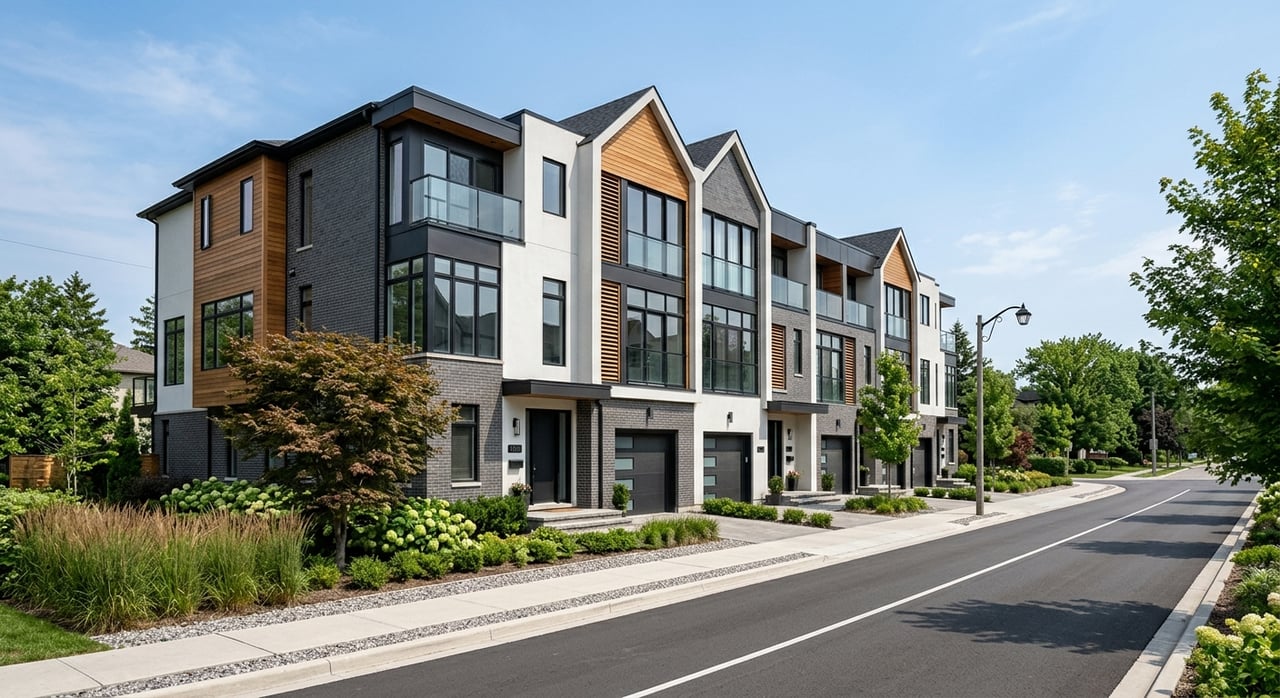
Wondering whether a South Boulder townhome is the sweet spot between lifestyle, budget, and maintenance? If you love the idea of easy access to trails, recreation, and Boulder’s foothills setting, but do not want the full workload of a detached home, you are not alone. South Boulder offers a mix of housing options, and townhomes can be a smart fit for the right buyer. Here’s how to decide if this style of living matches the way you want to live.
South Boulder townhomes in context
South Boulder is one of Boulder’s defined subcommunities, shaped by physical boundaries like roads, waterways, and topography. According to the City of Boulder’s South Boulder factsheet, the area had 15,450 residents and 7,320 dwelling units in 2015.
That housing mix matters if you are shopping here. Detached homes made up 4,974 units, while attached units accounted for 484 and multi-family units 2,823. In other words, townhomes are part of the South Boulder market, but they are not the dominant housing type.
Why South Boulder appeals to townhome buyers
A big reason buyers look at townhomes in South Boulder is lifestyle. The area offers access to the South Boulder Recreation Center, which includes amenities like a pool, basketball, pickleball, and volleyball, along with RTD access nearby.
South Boulder also connects you to trails and open space, including areas near South Mesa, Foothills South, and South Boulder Creek. For many buyers, that combination creates a strong match: you get everyday access to recreation and views, without taking on the upkeep that often comes with a larger detached property.
What a townhome means in Colorado
One of the most important things to know is that a townhome is not one single legal ownership type in Colorado. Under state law, some attached homes are condominiums, while others are part of a planned community.
What you actually own depends on the recorded declaration, plat, and unit boundaries. That means two homes that look very similar from the outside may come with very different ownership and maintenance responsibilities.
This is why townhomes can sometimes feel more like a house than a typical condo. An attached home may span multiple levels and include areas that feel private or exclusive, while parts of the property are still classified as common or limited common elements under the governing documents.
Who tends to enjoy South Boulder townhome living
Townhome living in South Boulder is often a strong fit if you want a lower-maintenance lifestyle in a location with good outdoor access. Buyers who travel often, keep a busy work schedule, or simply do not want to manage a large yard often appreciate that shared maintenance is typically handled through the association.
This setup can also appeal if you want a Boulder address at a lower price point than many single-family homes. In the City of Boulder’s March 2026 local market update, the year-to-date median sales price was $520,000 for townhouse and condo properties, compared with $1,299,950 for single-family homes.
That said, attached housing is still a major financial commitment in Boulder. The same market update showed townhouse and condo properties at 80 days on market and 3.9 months of inventory, so it helps to look at both price and monthly carrying cost when deciding what is realistic for you.
When a detached home may fit better
A South Boulder townhome may be less appealing if you want maximum control over your exterior space. If your dream home includes a large private yard, broad freedom to change landscaping, or fewer shared rules, a detached home may align better with your goals.
This is especially true if you prefer minimal oversight from an HOA. Colorado associations can regulate things like architectural changes, landscaping, parking, noise, nuisance issues, and some home-based business concerns, so it is important to be honest with yourself about how much structure feels comfortable.
HOA living: what to expect
If you buy a South Boulder townhome, the HOA is likely to play a meaningful role in your day-to-day ownership experience. In Colorado common interest communities, dues may help fund operations, reserves, insurance, and legal fees.
There is also the possibility of special assessments for major repairs or new construction. That means the monthly dues are only part of the financial picture. You will want to understand how stable the budget is and whether any additional costs may be coming.
What the HOA may maintain
In many Colorado common interest communities, the association is generally responsible for common elements, while each owner is responsible for the unit itself, unless the declaration says otherwise. This is one of the most important details to verify before you buy.
For example, you should confirm responsibility for:
- Roofs
- Exterior walls
- Windows and doors
- Decks or patios
- Landscaping
- Snow removal
- Shared drive aisles or walkways
The answers will vary by community, so the governing documents matter more than the home’s appearance.
What meetings and governance look like
If shared governance makes you uneasy, it is worth knowing how associations operate in Colorado. Unit-owner meetings must be held at least annually, and board meetings are generally open to members.
That can be a plus if you value transparency and want visibility into decisions affecting the community. It can feel less appealing if you strongly prefer a hands-off ownership experience with very few shared rules.
Budget questions to ask before you buy
A townhome’s purchase price is only one part of the story. Before moving forward, make sure you understand the full monthly and long-term cost of ownership.
Focus your review on these questions:
- What do the current HOA dues cover?
- How much of the budget goes to reserves?
- Have any special assessments been approved?
- Are there known major repairs coming up?
- What insurance costs are handled by the association versus the owner?
These questions can help you compare communities more accurately. A lower-priced townhome with weak reserves or looming repairs may not feel like the bargain it first appears to be.
Review the documents carefully
Colorado does not maintain a central repository for HOA documents. In practice, buyers usually need to get the declaration, bylaws, rules, budgets, and related records through the seller or listing side.
The Colorado Division of Real Estate also notes that sellers must disclose HOA status and, if available, provide governing documents and financials during the negotiation period. This review is where you can learn how the community functions, what is restricted, and whether the financials support your comfort level.
Exterior changes and sustainability goals
If sustainable living matters to you, do not assume every exterior choice is off limits in a townhome community. Colorado law does not allow associations to ban renewable energy generation devices, and associations also cannot prohibit xeriscape or drought-tolerant landscaping on property the owner is responsible for.
Still, associations may apply reasonable design and aesthetic rules. In South Boulder, where many buyers care about both design and environmental stewardship, it is smart to read the exact HOA language rather than guessing what is or is not allowed.
A South Boulder issue to check: drainage and flood context
Location always matters, and in South Boulder there is one extra due-diligence issue to keep in mind. The City of Boulder’s South Boulder Creek flood mitigation project states that the drainageway area affects about 2,300 community members and 260 structures.
That does not mean every townhome is affected in the same way. It does mean you should verify whether a specific community is near a creek corridor, drainage area, or flood-related constraint before you make a decision.
So, is South Boulder townhome living right for you?
A South Boulder townhome can be a great fit if you want easier upkeep, access to recreation and open space, and a more approachable entry point into Boulder than many detached homes offer. It often works especially well if you are comfortable with HOA rules and prefer a lock-and-leave lifestyle.
It may be a less natural fit if you want a highly customizable exterior, a large private yard, or very little shared governance. The key is not whether townhome living is good or bad. The key is whether it matches your priorities, your budget, and the way you want to live in South Boulder.
If you want help comparing South Boulder townhome options with your lifestyle goals, Manzanita Fine offers one-client-at-a-time guidance built around neighborhood fit, clarity, and smart local due diligence.
FAQs
What does owning a South Boulder townhome usually include?
- In Colorado, ownership depends on the community’s recorded declaration, plat, and unit boundaries, so you need to confirm exactly what is part of the unit and what is considered a common or limited common element.
What does an HOA usually maintain in a South Boulder townhome community?
- In many Colorado common interest communities, the association generally maintains common elements while the owner is responsible for the unit itself, unless the declaration assigns those responsibilities differently.
Are South Boulder townhomes more affordable than single-family homes?
- In Boulder’s March 2026 market update, the year-to-date median sales price was $520,000 for townhouse and condo properties versus $1,299,950 for single-family homes, though attached homes still require careful review of dues and total monthly cost.
Can you make exterior changes to a South Boulder townhome?
- You may be able to make some changes, but HOA rules often govern exterior design, landscaping, and architectural updates, so you should review the community documents before assuming what is allowed.
Do South Boulder townhome buyers need to check flood or drainage issues?
- Yes, because the City of Boulder says the South Boulder Creek drainageway area affects about 2,300 community members and 260 structures, so it is wise to verify whether a specific community is near a creek corridor or drainage-related area.