If you are thinking about selling in North Boulder, it can be tempting to list fast and figure out the details later. In reality, a polished launch often starts 60 to 90 days before your home goes live, especially in a market where buyers are comparing presentation, price, and property condition closely. With the right prep, you can reduce surprises, tell a stronger story, and step into the market with more confidence. Let’s dive in.
Why prep matters in North Boulder
North Boulder offers a distinct mix of home styles, lot patterns, and neighborhood character shaped over different eras of development. The City of Boulder also highlights the area’s access to open space, trails, parks, trailheads, a recreation center, and transit, which means buyers are often evaluating both the home and the lifestyle around it.
That context matters when you prepare your listing. Your home is not just competing on square footage or finishes. It is also competing on how clearly it shows daily livability, ease, and connection to the surrounding North Boulder setting.
Citywide Boulder data from Redfin shows a median sale price of $854,000 over the last three months, with about 68 days on market and 2 offers. While that data is not North Boulder specific, it does suggest that thoughtful pricing and strong presentation matter more than rushing to market.
Start with documents first
Before you start patching walls or scheduling painters, gather the paperwork that will shape your listing and disclosures. This step helps you answer buyer questions accurately and can keep small issues from turning into bigger delays later.
Colorado’s seller property disclosure form is based on your current actual knowledge. If you discover a new adverse material fact later, it must be disclosed promptly, which is why the prep window is a smart time to organize records early.
Pull repair and maintenance records
Start a simple file with:
- past inspection reports
- contractor invoices and receipts
- repair notes
- appliance and system warranties
- maintenance records for major systems
- any documentation related to updates or replacements
These records can help support your disclosures and make it easier to respond when buyers ask about the age, condition, or history of the home.
Check permit history
If your home has had remodels, additions, or major repairs, look up the property through Boulder’s Property Information tools. The city allows owners to search permit history, property reports, enforcement summaries, zoning, and parcel data.
This is especially important because Boulder requires permits and inspections for many alterations, repairs, replacements, and removals that affect a structure. If there are gaps in the record, it is better to identify them before your home hits the market.
Gather HOA or condo documents early
If your property is part of an HOA or condo association, begin collecting governing documents and resale information as soon as possible. Colorado’s HOA guidance makes clear that association records and governing documents are central to buyer due diligence.
These packages can take time to assemble, so early ordering can help you avoid last-minute stress during contract negotiations.
Review floodplain information if relevant
If your property may be near a creek, ditch, or mapped hazard area, check Boulder’s floodplain map. You may also want to gather any floodplain information request, elevation certificate, LOMA or LOMR-F, or mitigation records you already have.
Boulder notes that its flood maps are used for regulation and insurance, and that properties with structures encroaching into the 100-year floodplain may need a floodplain development permit for certain improvements. For buyers, clear records can make this part of due diligence easier to navigate.
Collect radon records
Radon is a practical issue in Colorado. The Colorado Department of Public Health and Environment says elevated radon is found in one out of every two Colorado homes, and Colorado requires a radon brochure for real estate transactions.
If you have prior radon test results or mitigation paperwork, keep them ready. Buyers often ask for this information during the inspection period.
Know if lead-based paint rules apply
If your home was built before 1978, federal lead-based paint disclosure rules apply. Sellers must disclose known lead-based paint information and provide the required EPA and HUD pamphlet.
If you are planning prep work that could disturb painted surfaces in an older home, use the proper certified professionals. This is one area where it pays to plan ahead instead of making rushed cosmetic updates.
Tackle physical prep in the right order
Once your records are organized, shift to the home itself. A good pre-listing checklist focuses on visible issues first, then on the details that improve how the home feels in person and in photos.
Fix the small things buyers notice
Start with low-disruption repairs that make the home feel cared for and functional. That usually means:
- patching drywall
- fixing leaky plumbing
- replacing broken hardware
- touching up paint
- checking that doors and windows open smoothly
- making sure lighting works properly
These are not glamorous projects, but they can have an outsized effect online and during showings. Small defects can create the impression that larger maintenance issues may be hiding underneath.
Plan exterior work early
If you are considering exterior repairs or improvements, do not leave them for the last minute. Boulder requires permits for many structure-affecting alterations, and city review or inspections can create delays.
That means roofing, decks, additions, or other more involved projects should be discussed early so your timeline stays realistic.
Focus on decluttering and staging
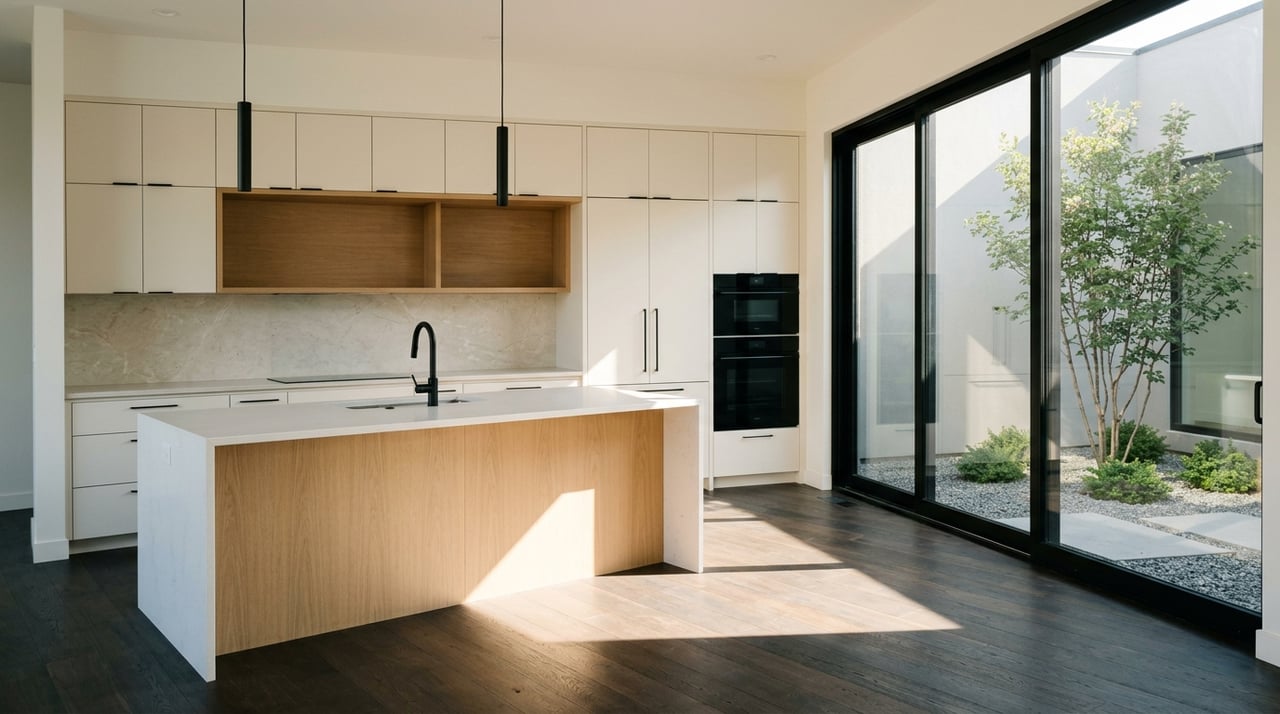
In a visually driven market, presentation matters. Buyers often meet your home through listing photos first, so your goal is to make each room feel clean, intentional, and easy to understand.
According to the National Association of Realtors’ 2025 Profile of Home Staging, 83% of buyers’ agents said staging made it easier for buyers to visualize a property as a future home. The same report found that 29% of sellers’ agents said staging led to a 1% to 10% increase in the dollar value offered.
Declutter before photos, not after
Decluttering should happen well before the photographer arrives. Remove excess furniture, clear surfaces, simplify storage areas, and pack away anything that creates visual noise.
For photo prep, practical steps can make a big difference:
- open blinds for natural light
- remove refrigerator magnets and paper clutter
- clear counters and bathroom surfaces
- edit down bulky or mismatched furniture
- store pet items, cords, and small accessories
The goal is not to make the house feel empty. It is to make it feel calm, bright, and easy for buyers to picture themselves in.
Tell the North Boulder lifestyle story
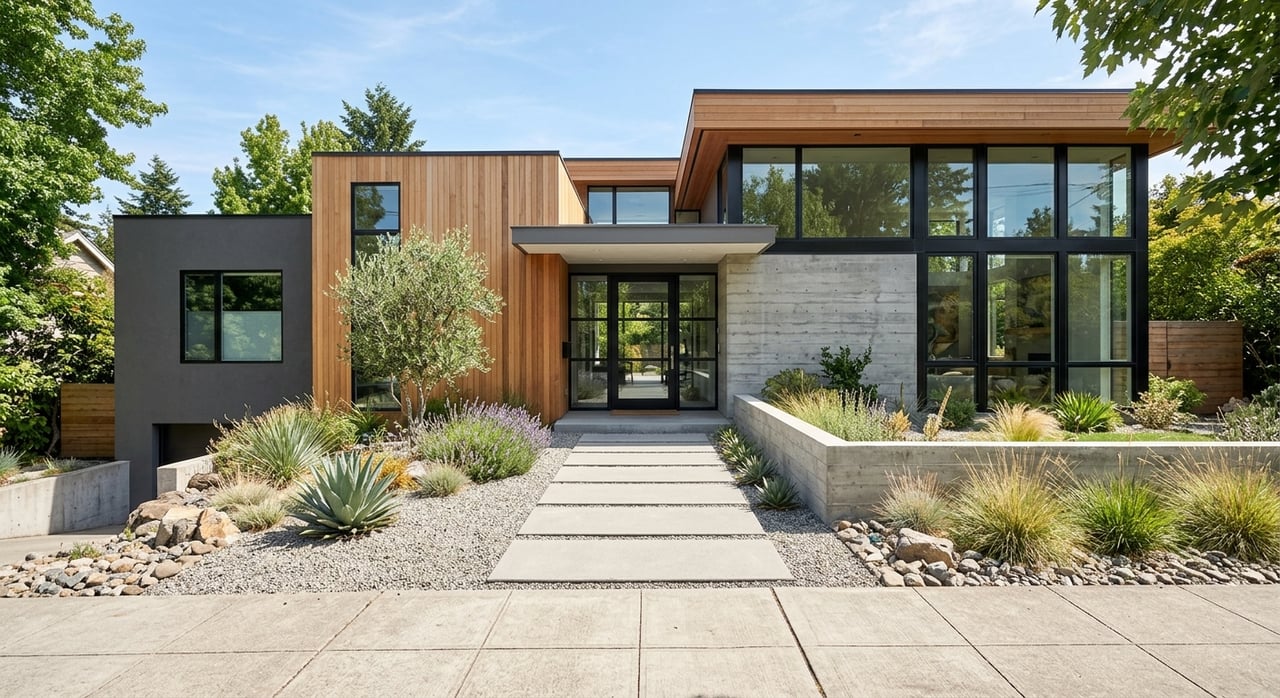
In North Boulder, outdoor presentation matters because the area is closely tied to parks, trails, open space, and active daily living. That makes curb appeal more than a quick cosmetic step.
A tidy yard, cleaned walkways, refreshed hardscape, and a simple front-entry setup can help your home feel aligned with the setting buyers are looking for. Even modest exterior styling can reinforce the broader story of the property.
Align your launch before going live
A strong listing launch is more than uploading photos and setting a price. The most effective rollout happens when pricing strategy, photography, disclosures, and showing logistics are all ready at the same time.
The National Association of Realtors notes that marketing a home can include staging, professional photography, social media, signage, open houses, and competitive pricing. In practice, that means your home should not go live until the core pieces are coordinated.
Use the 60 to 90 day window wisely
Given Boulder’s recent citywide pace, a polished debut often matters more than speed. If a home may sit for weeks anyway, using the 60 to 90 day prep window for documentation, repairs, and presentation can be a smarter move than listing before the home is truly ready.
That extra time can help you avoid rushed decisions, incomplete disclosures, and listing photos that undersell the property.
What a concierge-style approach can help coordinate
For many sellers, the hardest part is not knowing what to do. It is knowing what to do first. A high-touch listing process can help sequence the moving parts so your prep feels manageable.
That can include:
- organizing the vendor timeline
- pulling permit or property records
- gathering HOA materials
- advising on staging priorities
- planning photography timing
- aligning pricing, disclosures, and showings for day one
For North Boulder sellers, that kind of orchestration can help your home come to market with fewer avoidable surprises and a clearer, more compelling presentation.
A simple pre-listing checklist
If you want a quick working list, start here:
- gather repair receipts, warranties, and maintenance records
- review Colorado disclosure needs based on current actual knowledge
- pull Boulder permit and property history
- order HOA or condo documents if applicable
- check floodplain information if relevant to the property
- collect prior radon test and mitigation records
- confirm whether pre-1978 lead-based paint rules apply
- complete minor repairs and touch-ups
- plan any exterior work early if permits may be required
- declutter, simplify, and stage before photography
- refresh the yard and entry presentation
- align pricing, photos, disclosures, and showing plan before launch
Selling in North Boulder is part preparation, part strategy, and part storytelling. When your documents are organized, your home is visually ready, and your launch plan is intentional, you give buyers a clearer reason to say yes. If you want a calm, tailored plan for getting your home market-ready, Manzanita Fine offers one-client-at-a-time guidance rooted in North Boulder insight, thoughtful presentation, and clear communication.
FAQs
What should North Boulder sellers do first before listing?
- Start by gathering records like repair receipts, warranties, inspection reports, permit history, and any HOA documents before making repairs or setting a launch date.
How long should North Boulder sellers plan for pre-listing prep?
- A 60 to 90 day prep window is often helpful for organizing disclosures, handling repairs, coordinating vendors, and getting the home ready for photos and showings.
Why do permit records matter when selling a North Boulder home?
- Boulder allows owners to search permit history and related property data, and those records can help answer buyer questions about past remodels, additions, and major repairs.
Should North Boulder sellers worry about radon records?
- Yes. Colorado reports elevated radon in one out of every two homes, so prior test results and mitigation paperwork are useful to gather before listing.
What exterior updates matter most for a North Boulder listing?
- Focus on a tidy yard, clean hardscape, and a simple, welcoming entry since outdoor access and open-space lifestyle are part of how many buyers evaluate North Boulder homes.
When should a North Boulder home go live on the market?
- Ideally, your home should launch only after photos, pricing strategy, disclosures, and showing logistics are fully aligned so it presents well from day one.