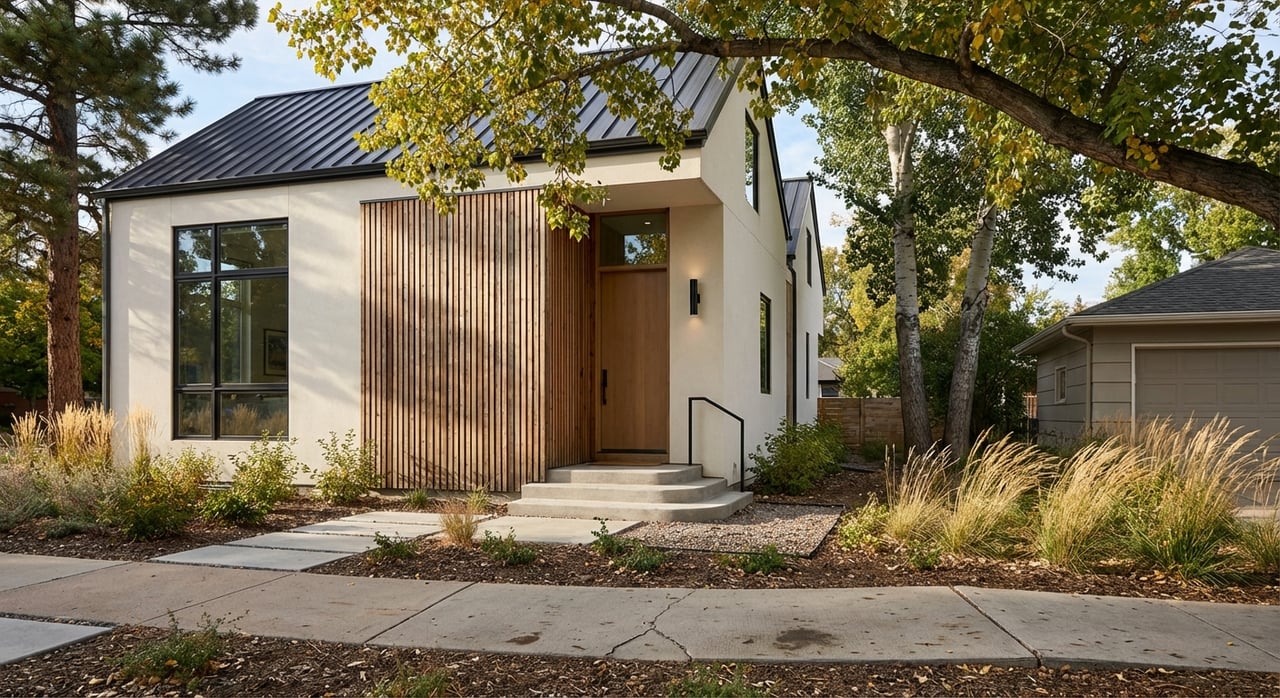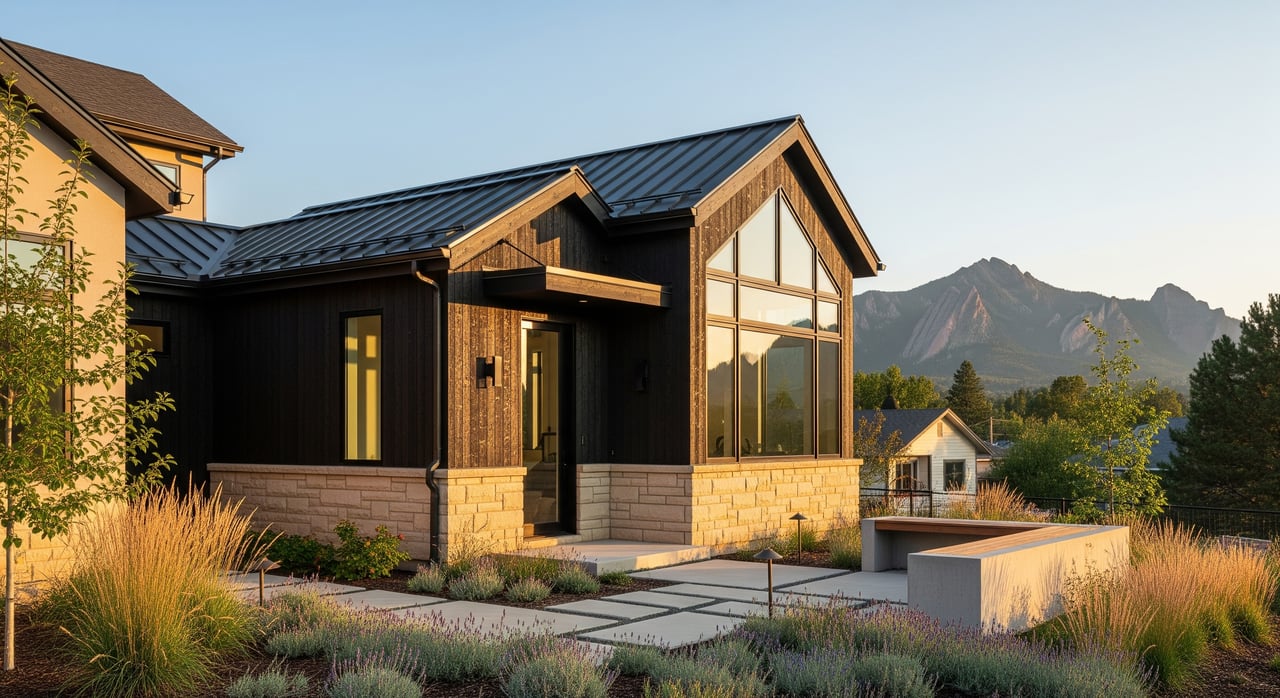
Thinking about adding a backyard cottage, in-law suite, or rental unit in Boulder County? You are not alone. ADUs are popular for flexibility and income, but the rules change from one city to the next. This guide walks you through where ADUs are allowed, how permits work, key requirements, and smart next steps so you can move forward with clarity. Let’s dive in.
Start with your jurisdiction
ADU rules are set by each city or town, or by Boulder County if you live outside city limits. There is no single countywide code that covers every property. Your first step is confirming whether your home sits in a city or in unincorporated Boulder County.
Cities vs. unincorporated county
Within Boulder County, the primary permitting authorities include:
- City of Boulder
- Longmont
- Lafayette
- Louisville
- Erie
- Nederland
- Unincorporated Boulder County
Each has its own zoning map, allowed ADU types, and submittal checklists. Smaller towns and special districts may apply different rules in certain areas.
What to check for your address
- Whether ADUs are allowed in your zoning district.
- Which types are permitted: interior, attached, detached, or junior ADU.
- Size limits, often a square-foot cap and sometimes a percentage of the main home.
- Owner-occupancy requirements, if any.
- Parking requirements and potential waivers.
- Utility and septic approvals, including tap fees or capacity checks.
- Short-term rental rules and whether ADUs can be used as STRs.
ADU types and design basics
ADUs come in several formats that fit different lots, budgets, and goals.
- Interior ADU: Converts existing space like a basement or over-garage area.
- Attached ADU: Adds new space to the primary home.
- Detached ADU: A separate backyard cottage or carriage house.
- Junior ADU: A smaller unit within the primary home, often with streamlined requirements.
Most jurisdictions want design compatibility with the main house. Expect standards for height, massing, rooflines, and window placement to help the ADU fit the neighborhood.
Size, setbacks, and coverage
Cities often cap ADU size with an absolute limit or a percentage of the main dwelling. Detached units typically follow rear and side-yard setbacks and may have lower height limits than the main house. Many places also regulate total lot coverage or impervious area. Because specifics vary, verify your local numbers before you draw plans.
Permits and timeline: what to expect
The path from idea to move-in has defined steps. Knowing them helps you plan time and budget more accurately.
Typical permit path
- Preliminary research: Confirm zoning and ADU allowance with your city or the county. Review HOA covenants if you have them.
- Pre-application meeting: Many jurisdictions offer a pre-submittal consult to surface constraints early.
- Design and site plan: Prepare a scaled site plan, floor plans, and elevations. Show setbacks, parking, driveways, and utility paths.
- Application submittal: Provide architectural and structural plans, plus plumbing, mechanical, and electrical details. Include energy code compliance.
- Department reviews: Planning checks zoning compliance. Building reviews code items. Public works and utilities review site and service connections.
- Approvals and permits: Receive zoning signoffs, building permit, utility permits, and address assignment if needed.
- Construction and inspections: Expect staged inspections for foundation, framing, rough trades, and final.
- Final approvals: A certificate of occupancy or final inspection closes the process.
How long it can take
- Pre-application: 1 to 4 weeks to schedule.
- Plan preparation: Several weeks to months, depending on scope.
- Permit review: A few weeks for simple interior conversions to several months for detached units.
- Construction: Interior conversions can take a few months. Detached backyard units commonly run 4 to 9 or more months from ground-break to completion.
- Overall: Plan on 3 to 12 or more months from initial research to move-in, depending on complexity and jurisdiction.
Key requirements most owners face
Every project is unique, but these topics come up often across Boulder County.
Parking and access
Many communities historically required at least one off-street space per added dwelling. Some have reduced or waived parking near transit or for smaller units. Even when not required, providing a dedicated spot can improve rental appeal. Verify driveway widths and curb cut rules before you design.
Utilities and septic
- Municipal water and sewer: You may need tap permits, capacity checks, and system development charges. These fees can be a significant line item.
- Septic systems: In unincorporated or rural areas, Boulder County Public Health oversees onsite wastewater. Adding an ADU may require a permit and proof of system capacity, or an engineered upgrade.
- Electric service: Xcel Energy serves much of the county. A panel or service upgrade may be needed to handle added load.
- Metering: Some places allow shared meters. Others prefer or require separate meters for billing or code reasons.
- Stormwater: New driveways or pads can trigger drainage measures. Plan grading and infiltration early.
Building code and fire safety
ADUs must meet structural, mechanical, plumbing, electrical, and energy codes. Expect requirements for egress windows, smoke and CO alarms, and minimum ceiling heights. Where the ADU connects to the main home, fire-rated separations and doors often apply.
Energy and sustainability
Colorado communities emphasize efficiency. Your permit set will need energy code documentation for insulation, windows, and HVAC. Some cities add green building incentives or point systems. Designing for efficiency helps comfort and long-term operating cost.
Historic districts and HOAs
If the property is landmarked or within a historic district, you will likely face additional design review and limits on exterior changes. HOAs and private covenants can restrict or prohibit ADUs even when the city allows them. Review CC&Rs early.
Short-term rentals and use rules
Short-term rental rules are jurisdiction specific. Some cities prohibit ADUs from being used as STRs, while others allow them with licensing and taxes. Owner-occupancy can also be required in some places. Confirm these rules before you count on Airbnb-style income.
Costs, fees, and financing basics
Construction budgets vary widely based on sitework, size, finishes, and utilities. Interior conversions are usually the most cost-effective. Detached backyard cottages often cost more per square foot due to foundations, exterior finishes, and new utility runs. Rural projects can see higher numbers for septic or access work. Get local bids to verify your range.
Expect permit review fees, building permit fees, and utility tap or system development fees. Some communities reduce or waive certain fees to encourage ADUs. Ask your planning and utility contacts for current schedules.
Common ways to pay for an ADU include:
- Home equity line of credit
- Cash-out refinance
- Renovation loans such as FHA 203(k)
- Construction loans or private financing
Adding an ADU typically increases assessed value, which can raise property taxes. Consult the assessor and your tax professional on timing and impact. Update your insurance, too. Many owners add a landlord policy or a rider to cover the additional unit.
If you plan to rent long-term, you must comply with landlord-tenant law and habitability standards. Keep safety front and center with alarms, egress, and well-maintained systems. Some local housing programs offer grants, fee reductions, or incentives for creating more affordable ADUs. Check with the Boulder County Housing Authority and your city for opportunities.
First 30 days: your ADU game plan
Use this simple checklist to confirm feasibility before you invest heavily in design.
- Identify your jurisdiction and zoning. Confirm ADU allowance with your local planning counter.
- Review HOA or CC&R rules for ADU restrictions.
- Schedule a pre-application meeting with planning staff. Ask about size caps, parking, owner-occupancy, and STR rules.
- If on well or septic, contact Boulder County Public Health to discuss capacity and permit needs.
- Ask your water and sewer provider about tap requirements and fees. Contact Xcel Energy about service capacity.
- Hire a local architect or designer and a contractor with ADU experience for a site assessment and ballpark budget.
- Map your timeline and contingency plan. Build in extra time for reviews, utility upgrades, or design adjustments.
Who to contact in Boulder County
- Boulder County Land Use Department
- Boulder County Public Health — Environmental Health
- City of Boulder Planning and Development Services
- Longmont Planning and Development Services
- Lafayette Community Development — Planning
- Louisville Planning and Building Department
- Erie Community Development — Planning
- Nederland Town Hall — Community Development
- Local water and sanitation districts
- Xcel Energy customer service
- Boulder County Housing Authority and municipal housing programs
- County Assessor and Treasurer for property tax questions
Design and market tips
- Right-size the unit: Keep the layout efficient and comfortable. Light, storage, and sound control matter for livability.
- Plan circulation: Separate entry paths and clear wayfinding improve privacy and tenant experience.
- Simplify utilities: Early coordination on power, water, and sewer can prevent redesigns and delays.
- Consider parking: Even if not required, one on-site space can boost rental demand.
- Think future use: Design for flexibility so the space can serve as a guest suite, office, or long-term rental over time.
When you are ready to weigh costs, rental potential, and resale impact across Boulder’s micro-markets, a local perspective helps. If you want a clear, step-by-step plan tailored to your property and neighborhood, reach out to Manzanita Fine to schedule a one-on-one neighborhood consult.
FAQs
Are ADUs legal across Boulder County?
- ADUs are allowed in many areas, but rules are set by each city or by unincorporated Boulder County, so you must verify your zoning and local allowances.
What ADU types can I build at my home?
- Most jurisdictions consider interior, attached, detached, and sometimes junior ADUs, but which types are allowed depends on your specific zoning.
How long does it take to permit and build an ADU?
- Plan on 3 to 12 or more months from first research to move-in, with interior conversions typically faster and detached units taking longer.
Do I need extra parking for an ADU?
- Some places require off-street parking while others reduce or waive it, especially near transit, so check your jurisdiction’s standards.
Can I use my ADU as a short-term rental?
- Short-term rental rules vary and some cities prohibit ADUs from being STRs, so confirm local allowances and licensing before you plan on nightly rentals.
Will my property taxes go up after adding an ADU?
- Adding an ADU generally increases assessed value, which can raise property taxes, so consult the assessor and a tax professional on impacts.
What if I am on a septic system in a rural area?
- Boulder County Public Health regulates onsite wastewater and may require capacity verification or a system upgrade before approving an ADU.
Do I have to live on-site if I build an ADU?
- Some jurisdictions require the owner to live in either the primary home or the ADU, so verify current owner-occupancy rules for your address.